Methodology
Overview
This data visualization platform is built from data gathered from several public and private sources. These data are gathered, cleaned, and aggregated for each local labor market, which we define as a commuting zone. Below is an overview of these processes for the data available on each dashboard.
More information is available in the Understanding our data blog post and in the documentation files linked below for each dashboard.
Our data sources include:
- American Community Survey
- Bureau of Economic Analysis
- Census Bureau
- Energy Information Administration
- National Center for Education Statistics
- National Science Foundation
- National Renewable Energy Laboratory
- Small Business Administration
- Subsidy Tracker (by Good Jobs First)
- USAspending.gov
The Economic Conditions dashboard shows the state of local labor markets across the US over four decades. This includes measures of joblessness, earnings, employment in each sector, and more. These measures are provided for the entire commuting zones and for different population subgroups defined based on gender, educational attainment, race, birth status, and age. These are all calculated from surveys conducted by the U.S. Census Bureau: either the decennial census (for 1980 and 1990) or the American Community Survey (2000 onward). Statistics for each commuting zone are calculated using anonymized individual-level microdata from IPUMS.org based on their reported location of residence. More information is available in the Economic Conditions data documentation.
The Policy Tracker dashboard illustrates how place-based policy resources are allocated across the US. It details the volume of various forms of government spending received annually by each commuting zone. It includes per capita and total measures of subsidies and loans for businesses, federally-funded R&D centers, economic development, small business lending, and funding to community colleges. In addition, it includes workforce development data on the number of degrees and certificates earned at community colleges in each community. These statistics are calculated from several public and private sources, which are described in the Policy Tracker data documentation.
The Energy Economy dashboard focuses on one area of the U.S. economy undergoing profound changes: the energy sector. It provides three types of information for each community. First, on the employment and earnings in its energy workforce (including in energy-intensive manufacturing), using the same data as described above for the Economic Conditions dashboard drawn from surveys by the U.S. Census Bureau. Second, the potential amount of electricity that could be generated from renewable sources in a year based on statistical models from the National Renewable Energy Laboratory that use information on local climate and weather, land-use, and more. Third, the dashboard includes data on the energy generation capacity of plants powered by each fuel source, calculated by aggregating generator-level data from the Energy Information Administration. More information is available in the Energy Economy data documentation.
Finally, the Place Profiles dashboard provides an easy-to-use way to look up information about any community. It also provides a directory to find out which commuting zone each place is located. Once a commuting zone is selected, the dashboard provides information drawn from the Economic Conditions, Policy Tracker, and Energy Economy dashboard for both selected community. It also provides statistics on neighboring communities and similar places across the U.S.
Documentation
These documents give detailed descriptions of data sources and the methods used to clean and aggregate the data.
Behind the data
Share your stories
Business Incentives as Place-Based Policy

The Changing Role of Regional Planning and Development

New Growth in an Older Industrial City: Allentown, PA with Trevor Tormann
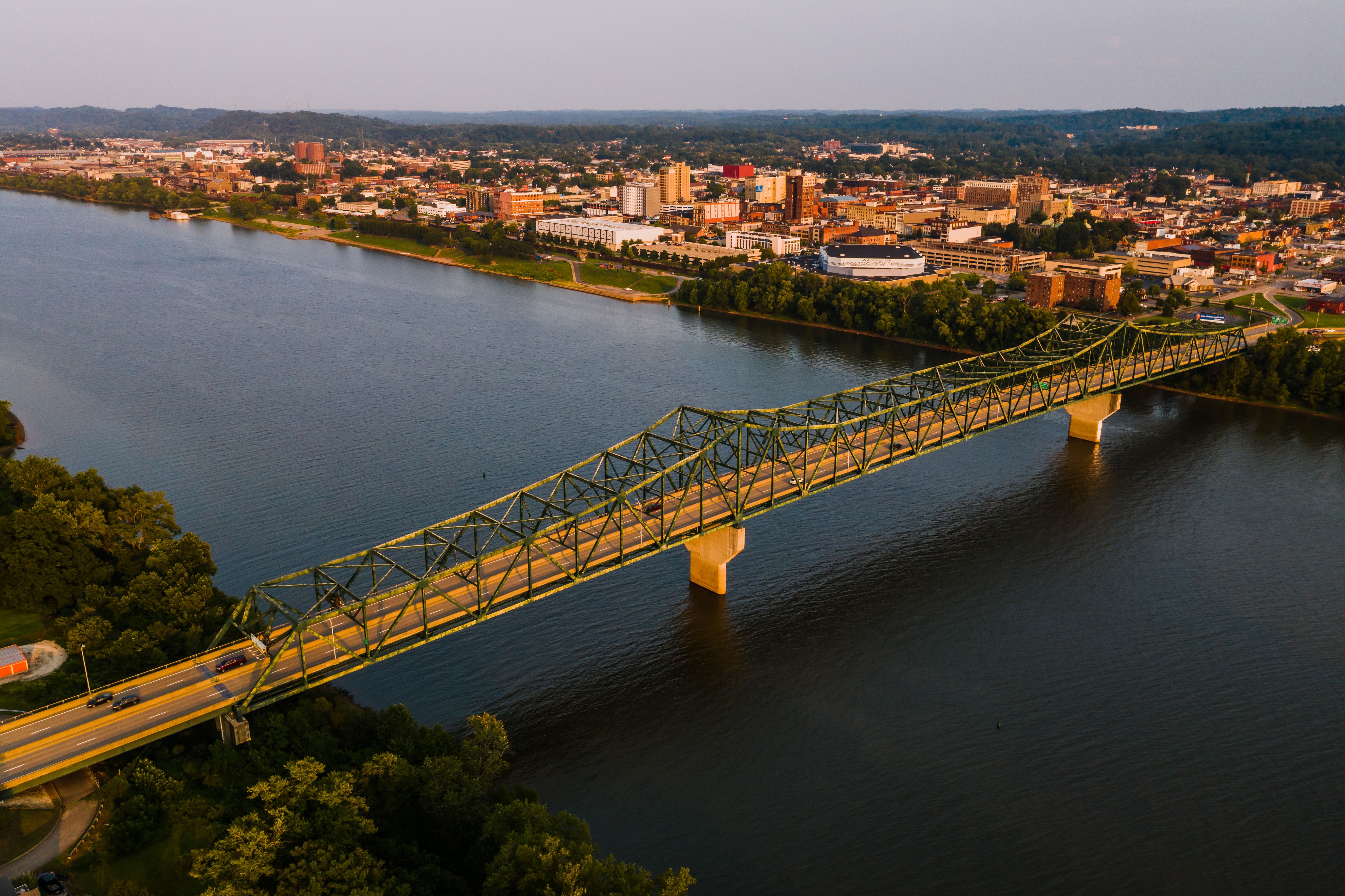
Perspectives on West Virginia with Cassidy Riley of Coalfield Development
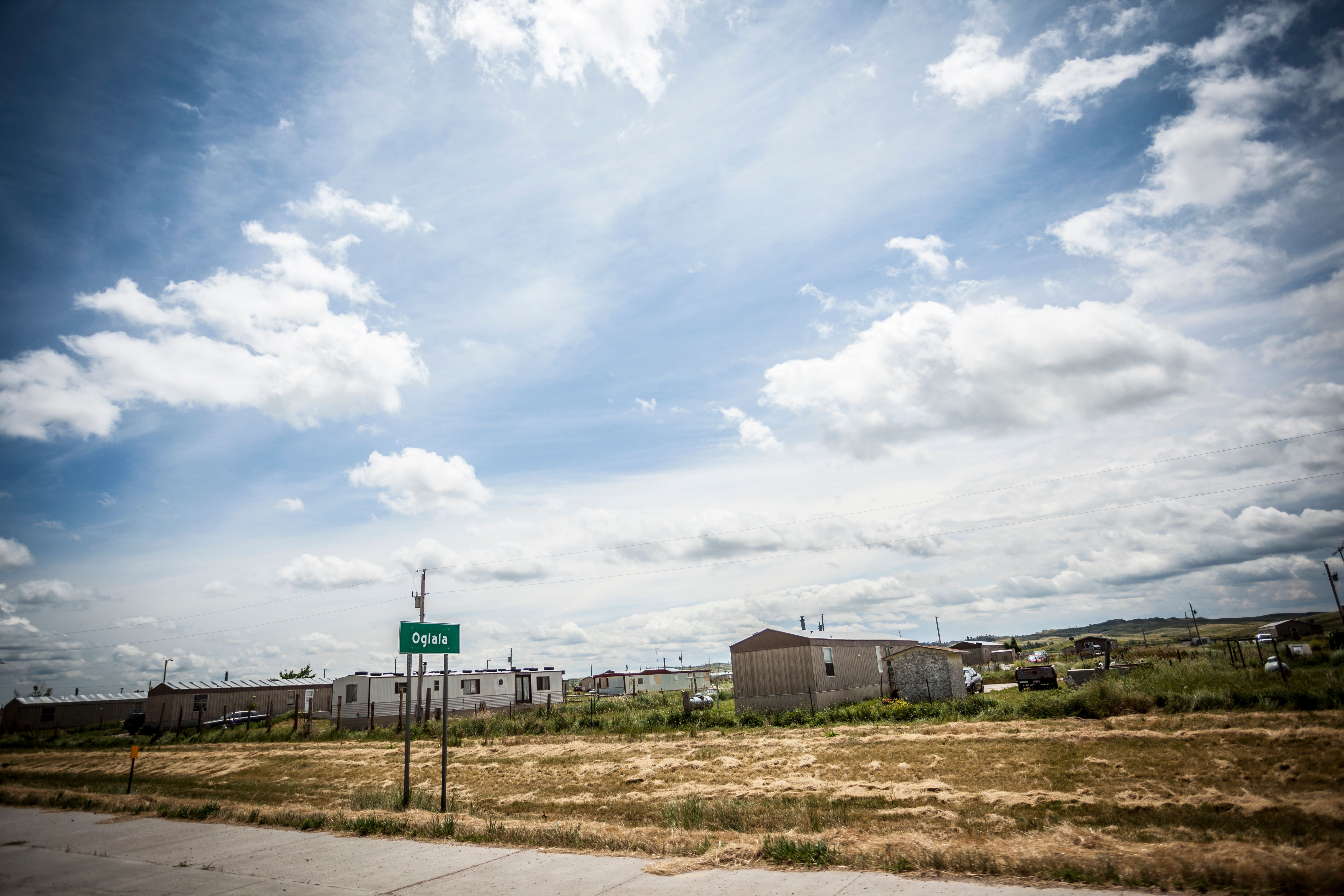
Racial Disparities in Joblessness in South Dakota

What Makes Sioux Falls, SD Special

Where Federal R&D Dollars Go and What These Places Look Like

Energy Transition in the Gulf Coast

How-To: Exploring Joblessness

Understanding Our Data

Is the US missing out on renewable energy potential?

Economic Development in West Michigan

Economic Development and Technology Transformation in Tulsa, Oklahoma

Economic Development in Rochester, NY

Recompete in Birmingham, Alabama

Place Matters

Joblessness: What and Why

Introduction to the Energy Economy Dashboard

How-To: Exploring Workforce Development