About
The Economy in Place: Visualizing local economic conditions, policies, and the energy transition
Three dashboards of local data
The Economy in Place data visualization platform enables place-based practitioners, policymakers, journalists, and researchers to examine the evolving relationships between economic conditions, people, and places. It tracks conditions in 700+ commuting zones across the U.S., synthesizing a range of data into interactive dashboards. The platform paints detailed pictures of economic conditions and policy interventions within regions, equipping users with comprehensive, up-to-date data about these local labor markets. You can read more about the motivation behind the platform in our piece about why Place Matters.
- The Economic Conditions dashboard provides data on economic indicators (joblessness, earning inequality, median wages, etc.).
- The Policy Tracker dashboard provides data on various place-based transfers, classified under different domains – workforce development, local strategy and planning, business incentives, R&D – as well as individual means-tested transfers to enable comparisons.
- The Energy Economy dashboard highlights the impacts of the green energy transition on local labor markets, and provides data on energy employment, earnings, and renewable potential .
The dashboards include decades of data, and will be updated as new data comes in.
Practical for place-based practitioners
The Place Profiles feature makes a range of data (demographic indicators, economic conditions, policy flows) available in an integrated manner at the commuting zone level. It also enables comparisons with neighboring and similar regions.
Building a body of knowledge
- Distilling insights, trends, and narratives from the data: The platform includes a blog with posts about basic concepts, national trends, and deep dives into specific places. The blog will be regularly updated by the Reimagining the Economy team as well as local practitioners writing about their regions.
- A repository of research on place-based policies: The Bibliography serves as a database of this vast literature, which we have categorized into streams and themes. We also highlight Reimagining the Economy's research on place-based policies.
Behind the data
Share your stories
Business Incentives as Place-Based Policy

The Changing Role of Regional Planning and Development

New Growth in an Older Industrial City: Allentown, PA with Trevor Tormann

Perspectives on West Virginia with Cassidy Riley of Coalfield Development
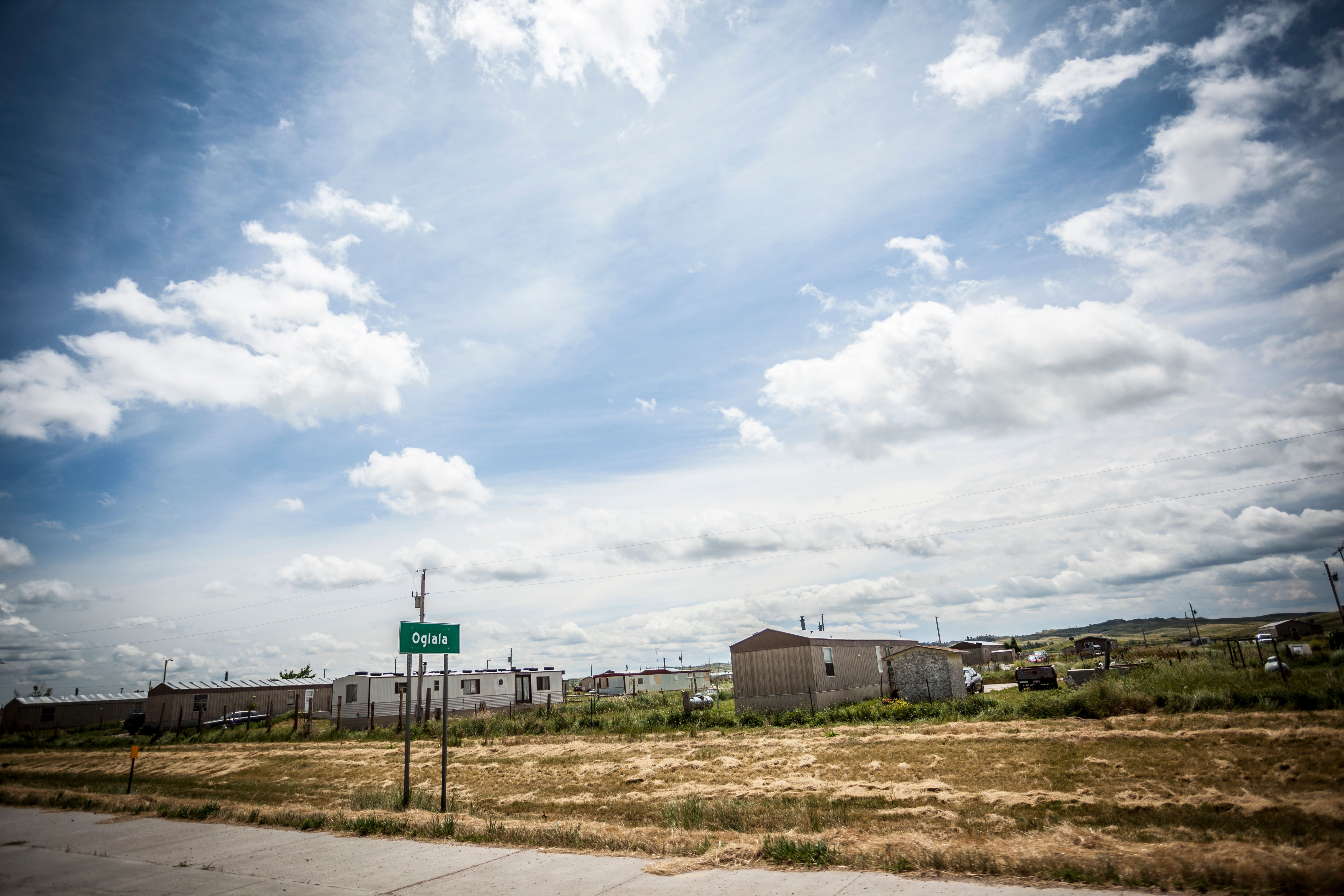
Racial Disparities in Joblessness in South Dakota

What Makes Sioux Falls, SD Special

Where Federal R&D Dollars Go and What These Places Look Like
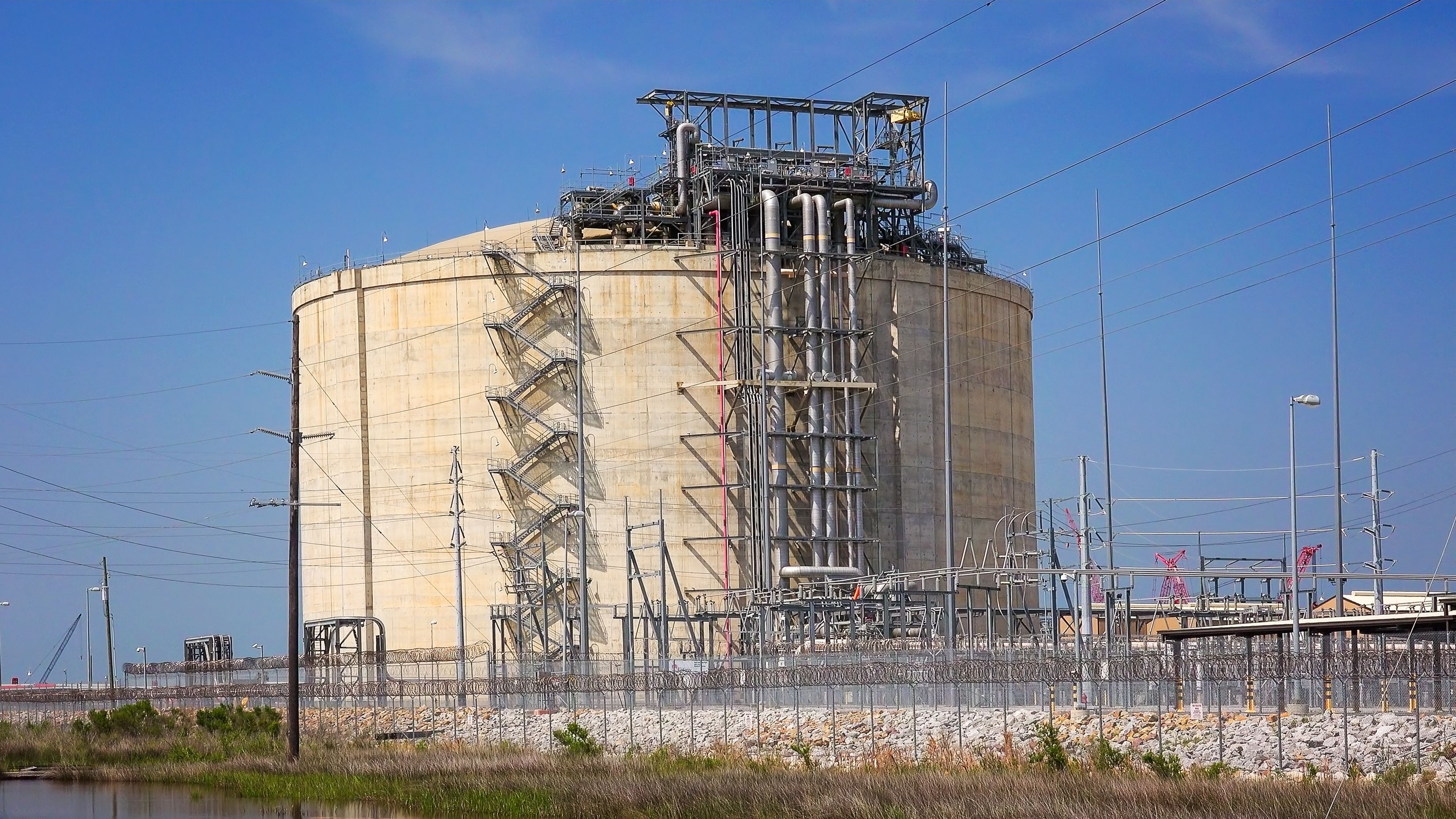
Energy Transition in the Gulf Coast

How-To: Exploring Joblessness

Understanding Our Data

Is the US missing out on renewable energy potential?

Economic Development in West Michigan

Economic Development and Technology Transformation in Tulsa, Oklahoma

Economic Development in Rochester, NY

Recompete in Birmingham, Alabama

Place Matters

Joblessness: What and Why

Introduction to the Energy Economy Dashboard

How-To: Exploring Workforce Development